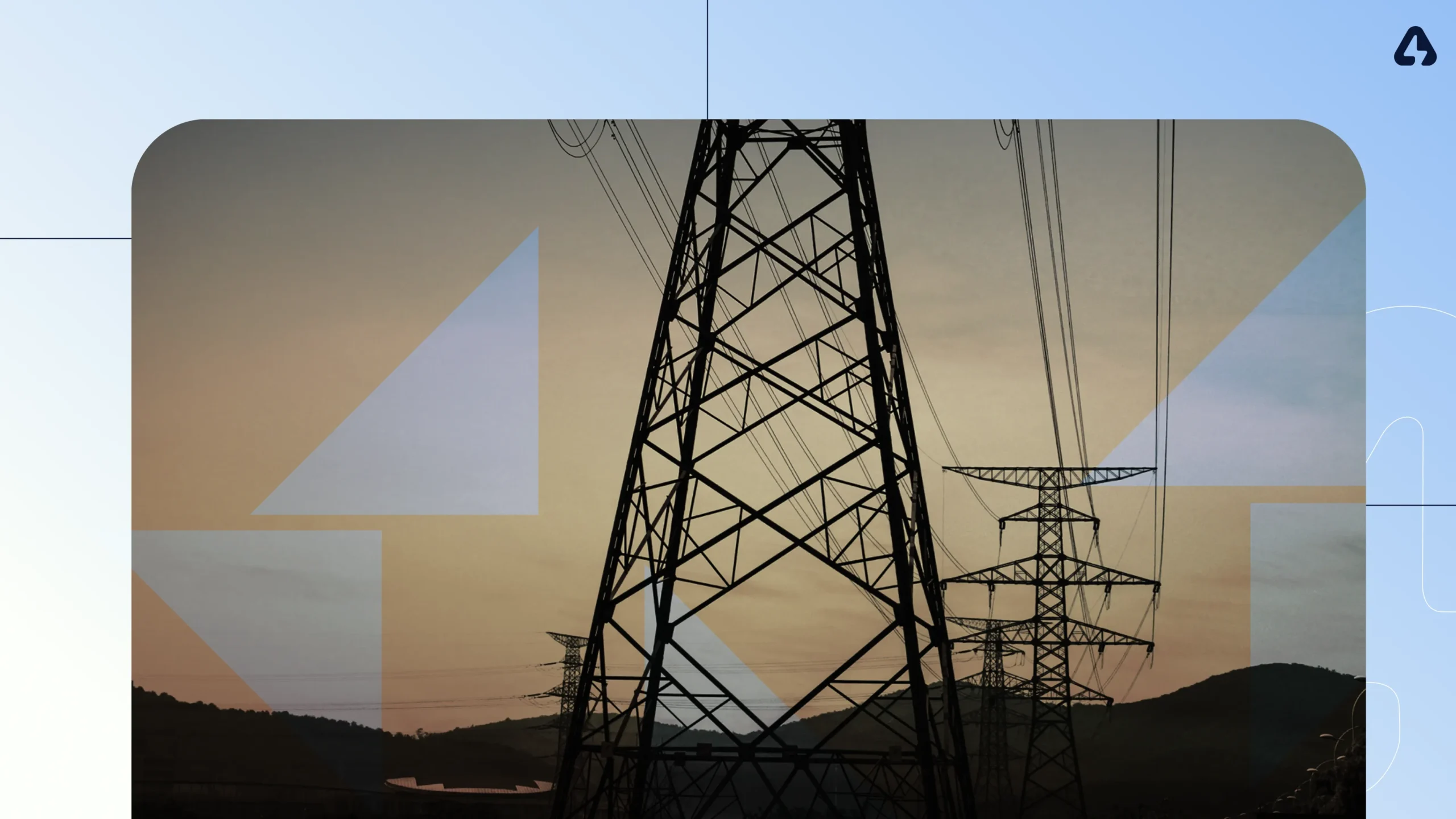

International Renewable Energy Certificates (I-RECs) offer a globally recognized solution for businesses ready to take meaningful climate action without overhauling their energy infrastructure. an internationally recognized standard that verifies your business’s electricity consumption is sourced entirely from renewable energy origins.
Starting with the Big Picture: Why Energy Source Matters
Climate change is the defining challenge of our generation. The Earth has warmed more in the last 50 years than in the previous 125,000. Species are disappearing. Extreme weather events are intensifying.
The path forward is clear: we must reduce carbon emissions. And since 73% of global emissions originate from energy production and consumption,addressing your company's energy source isn't optional; it's essential.
This is where I-REC certificates enter the picture.
What is an I-REC Certificate?
An I-REC (International Renewable Energy Certificate) is a globally recognized instrument that verifies a specific quantity of electricity was generated from renewable sources: solar, wind, hydro, or other clean energy.
Here's the key insight: For every 1 MWh of electricity your company consumes, ou can acquire one I-REC certificate, documenting that an equivalent amount of renewable electricity has been generated and attributed through certificates. Think of it as a guarantee of origin for your electricity. You continue receiving power from your existing supplier, but you now have verified proof that your consumption is matched by renewable generation somewhere in the system.
What I-REC is NOT
Let's clear up common misconseptions:
- I-REC is not an energy supply contract. Purchasing certificates doesn't mean changing your electricity provider or receiving different electrons through your meter.
- I-REC is not a carbon credit. They do not physically reduce emissions at your site, but they credibly account for renewable electricity use.
- I-REC is not a physical energy delivery. It's a tracking mechanism that supports the renewable energy market by creating transparent demand.
I-RECs are an accounting and attribute-tracking instrument, not a physical decarbonization measure.
The 3E Framework: Why I-REC Matters for Your Business
At Apollo, we evaluate every sustainability initiative through our 3E lens:
🌱 EcoWise (Ecology)
I-RECs directly reduce your Scope 2 emissions, the indirect emissions from purchased electricity..
Under GHG Protocol's market-based accounting method, renewable energy certificates can be reported as zero under the GHG Protocol’s market-based Scope 2 method, when quality criteria are met..
💰 FinWise (Economy)
Unlike capital-intensive infrastructure projects, I-RECs require no physical installation. You gain environmental credibility without upfront investment in solar panels or wind turbines. It's sustainability on a budget.
⚡ OptiWise (Energy)
When paired with energy management, I-RECs become even more powerful. First, optimize your consumption. Then, cover your reduced footprint with renewable certificates. This is efficiency multiplied by clean sourcing.
I-REC in the Global Sustainability Ecosystem
GHG Protocol Compliance
The Greenhouse Gas Protocol, the world's most widely used carbon accounting standard, recognizes I-RECs for Scope 2 emissions reporting.When you use market-based accounting, your certified renewable electricity consumption can be reported as zero-carbon.
CDP Reporting
The Carbon Disclosure Project (CDP)accepts I-RECs as valid instruments for demonstrating renewable energy sourcing. This means better CDP scores, improved transparency for investors, and enhanced environmental credentials.
RE100 Eligibility
The RE100 initiative brings together companies committed to 100% renewable electricity I-RECs are among the recognized procurement methods for meeting this ambitious target, regardless of your geographic location.
🇪🇺 Important note for the European context:
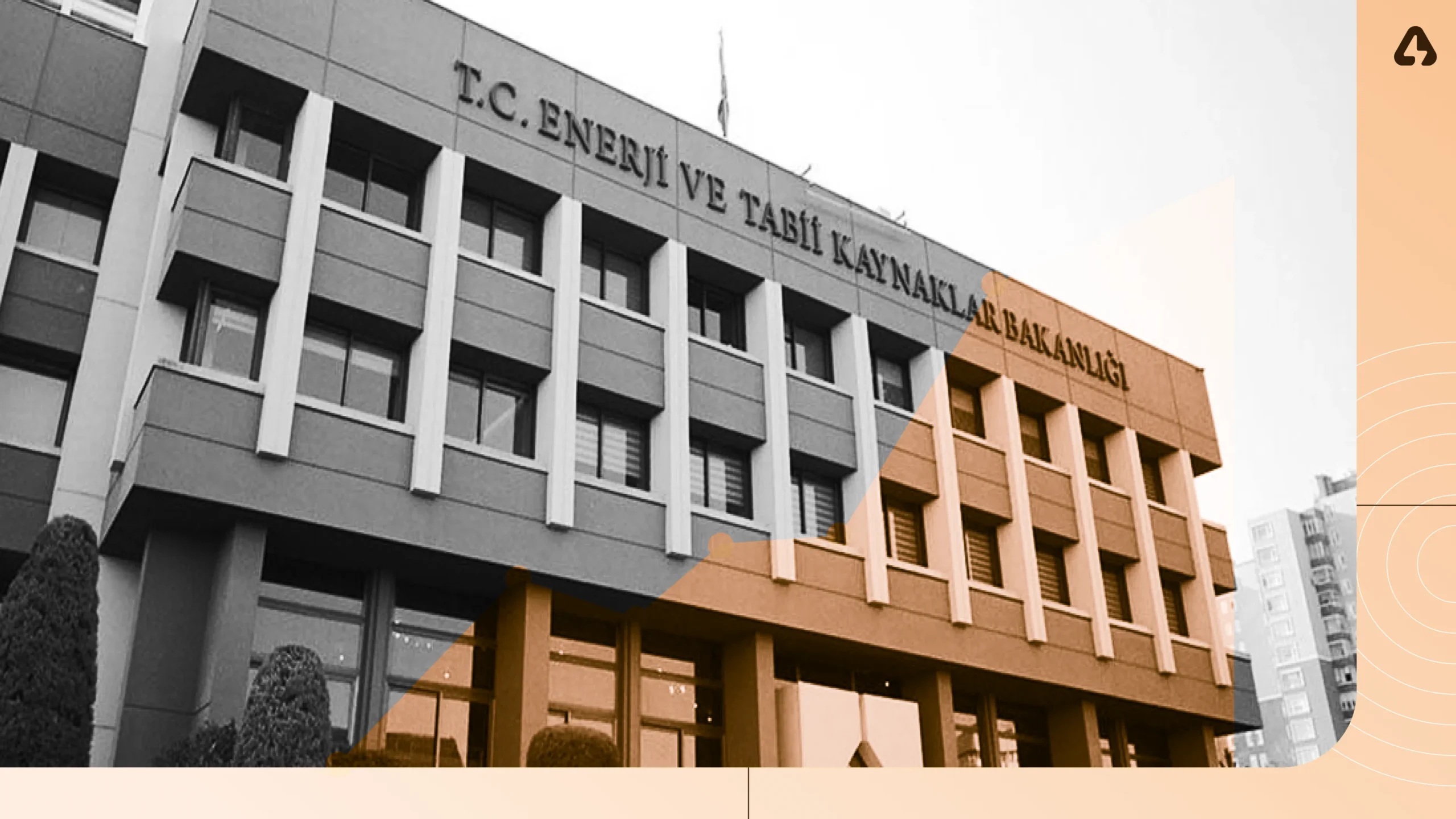
Within the European Union, Guarantees of Origin (GOs) are the primary regulatory instrument for tracking and disclosing renewable electricity consumption. Guarantees of Origin (GO) sistemidir.
I-REC certificates are used in Europe primarily as a complementary tool, particularly for companies with multi-country operations, global Scope 2 reporting requirements, and consolidated sustainability strategies that extend beyond the EU.
EU Green Deal & CBAM Readiness
As the CBAM (Carbon Border Adjustment Mechanism) takes effect, demonstrating clean energy sourcing becomes a competitive advantage. While CBAM primarily targets embedded emissions, demonstrating clean electricity sourcing strengthens your overall decarbonization strategy.
Ready to take the next step? Apollo's I-REC certification service works seamlessly with our energy management platform by helping you benchmark your position, optimize your consumption, and verify your renewable energy usage. Explore Apollo’s I-REC Certification solution.
The Apollo Approach: Benchmark, Then Act
Here's what makes Apollo different: we don't believe in taking action without understanding where you stand.
Before recommending I-REC procurement, we first:
- Transparentize → Map your complete energy consumption profile
- Normalize → Convert data into comparable metrics
- Benchmark → Show you where you stand against industry leaders
- Strategize → Identify the optimal coverage level for your goals
Only then do we help you procure certificates that make strategic sense. Because sustainability isn't about checking boxes, it's about understanding your position and making informed decisions that create real impact.
Getting Started with I-REC
What makes I-REC certification truly compelling is its simplicity and ease of implementation.
✓ No infrastructure changes required
✓ No switching energy providers
✓ Immediate certification upon purchase
✓ Global recognition and credibility
✓ Flexible coverage levels based on your goals
The Bottom Line
Every company's sustainability journey is unique. But one truth is universal: you can't improve what you don't measure, and you can't lead without verified proof of your commitments.
I-REC certificates bridge the gap between ambition and accountability. They transform your renewable energy goals from aspirations into auditable achievements.
Integrated with Apollo's energy and sustainability management solutions; FinWise, OptiWise and EcoWise I-REC certification becomes part of a comprehensive strategy that optimizes costs, improves efficiency, and reduces your carbon footprint systematically. Ready to explore I-REC certification for your organization? Book a demo.